


Cyber Myths Debunked: Cybersecurity Awareness Month
October 2026
Cybersecurity advice is everywhere, but not all of it tells you what actually matters to your business. During Cybersecurity Awareness Month, challenge common assumptions that can create blind spots and gain a clearer understanding of where your business may be exposed, which protections deserve your attention, and what questions you should be asking. The goal is not to become a cybersecurity expert, but to have the clarity to make informed decisions, reduce uncertainty, and feel confident that important risks are being addressed before they become business problems.
Insight Resources

Activity Book
Checklist
Insight Tips
Cybersecurity Assumptions Can Leave Your Business Exposed
Cybersecurity advice is everywhere. The harder part is knowing what actually matters to your business. 🔐
Some of the most common cybersecurity myths sound reasonable: one security tool should be enough, small businesses aren’t attractive targets, or meeting compliance requirements means you’re protected.
The problem is that assumptions like these can create blind spots you don’t discover until something goes wrong.
You don’t need to become a cybersecurity expert. You need enough clarity to ask the right questions, understand where your business may be exposed, and know that someone competent is addressing the risks that matter. 🎯
During Cybersecurity Awareness Month, we’ll challenge some common myths and help separate what sounds secure from what actually helps protect your business.
What’s a cybersecurity assumption you’ve heard that you’ve wondered whether you can actually trust?
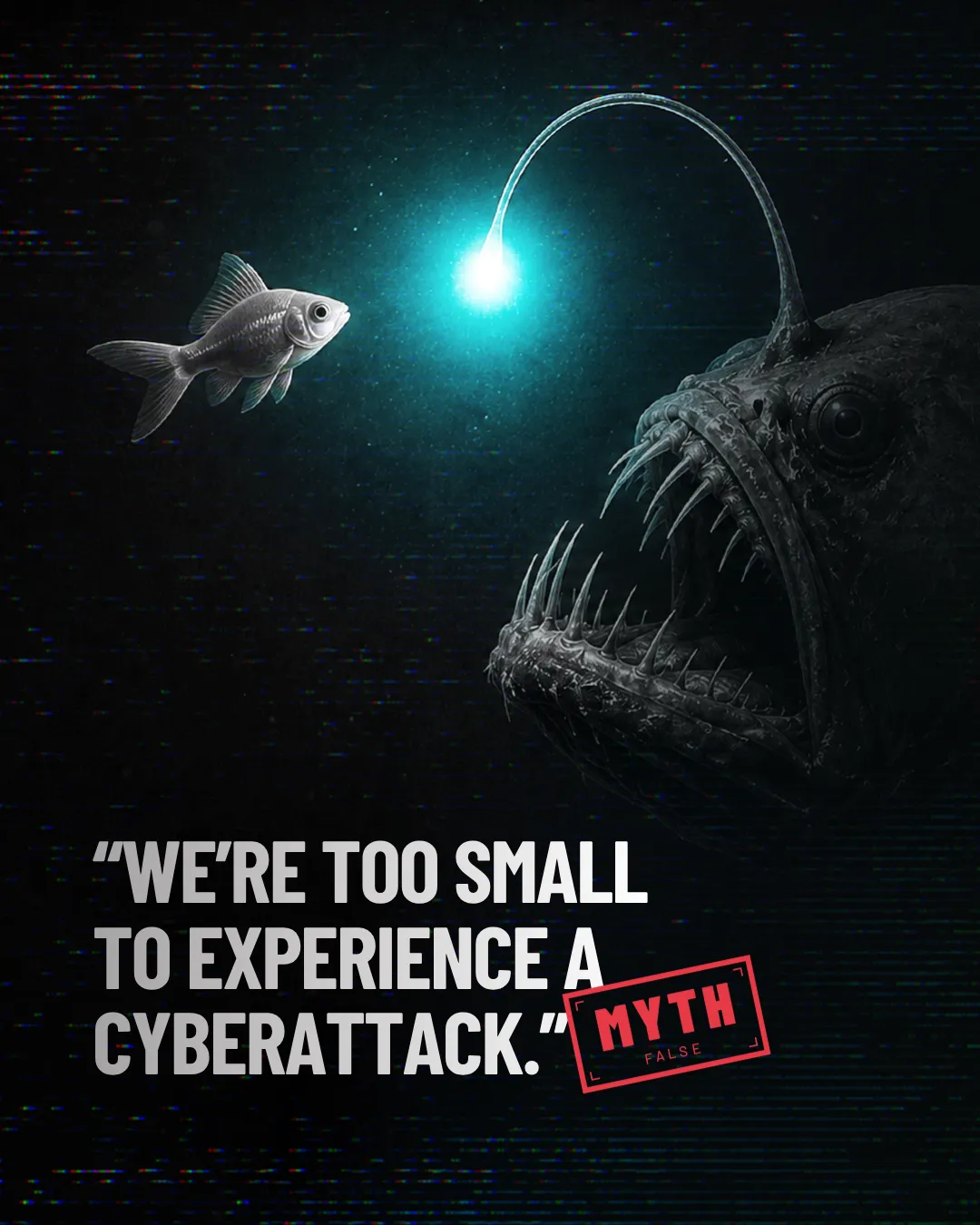
Small Businesses Aren’t Too Small to Be Targets
“We’re too small for cybercriminals to bother with us.”
It’s an understandable assumption, but business size doesn’t make you invisible. 🔍
Cybercriminals often look for opportunities where security may be easier to get around. Smaller businesses can have fewer resources, less security oversight, and valuable information that can still be sold, stolen, or used for fraud.
The question isn’t whether your business is big enough to attract attention. It’s whether your protections match the risks your business actually faces. 🔐
You shouldn’t have to figure that out yourself. The right cybersecurity partner should help you understand where you stand, what needs attention, and what’s already being handled.
Want a clearer picture of where your business may be exposed? Schedule a discovery call.
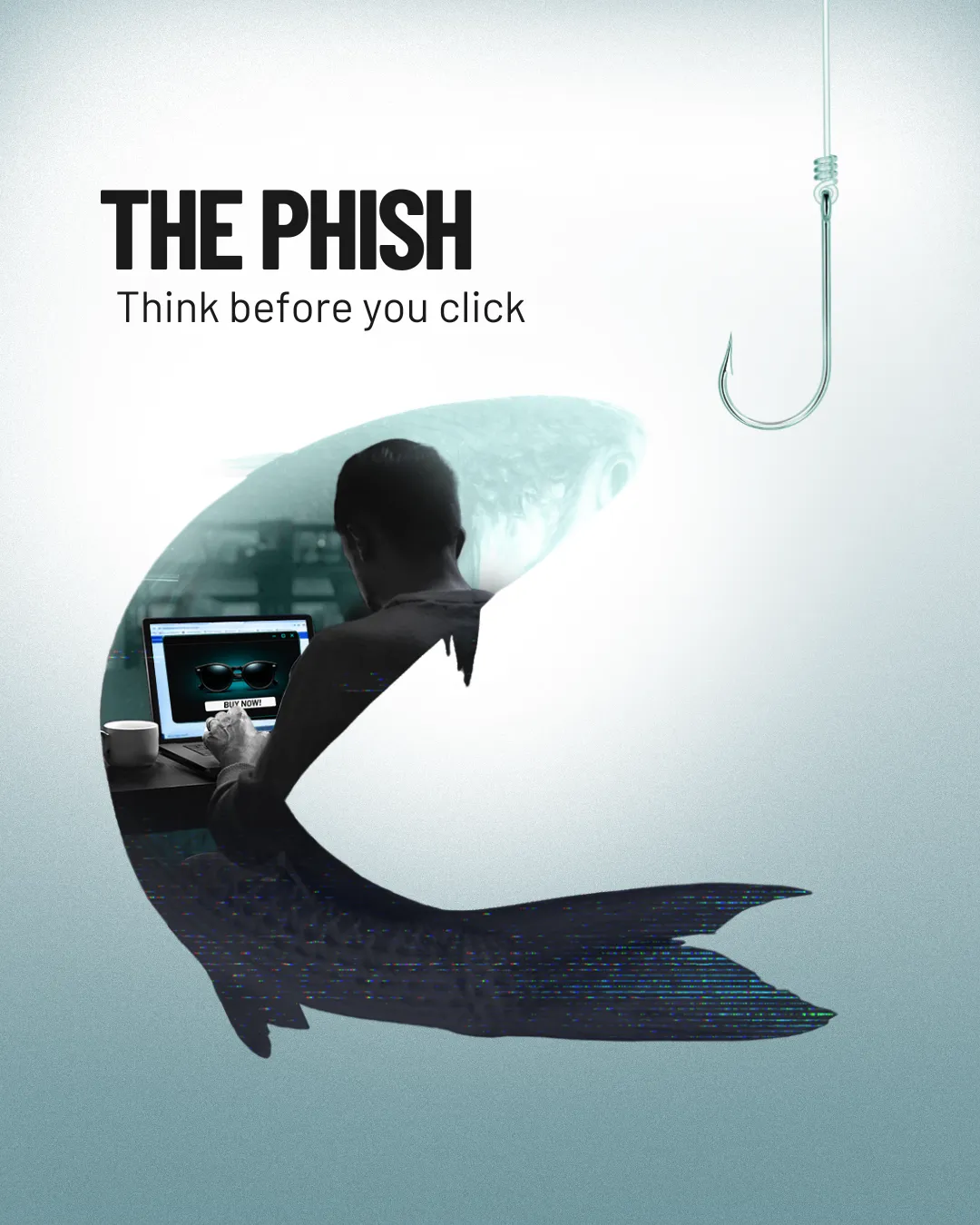
Phishing Is Getting Harder to Spot
The old advice was to watch for bad grammar, strange formatting, and obvious mistakes.
That advice isn’t enough anymore. 🎣
AI is helping attackers create convincing emails and messages with familiar branding, natural language, and enough real-world context to make a request seem legitimate.
Before you click, reply, or approve something sensitive:
Question unexpected urgency or pressure
Check the sender and inspect links carefully
Verify sensitive requests through another trusted channel
Use multi-factor authentication so a stolen password isn’t enough
Make sure employees know how to report something suspicious
Technology can help filter threats, but your people still need to know when something doesn’t feel right. 🛡️
What’s the most convincing phishing attempt you’ve seen?

Your IT Team Shouldn’t Have to Cover Cybersecurity Alone
Having someone responsible for IT doesn’t automatically mean every cybersecurity risk is covered. 🛡️
Internal IT employees can know your systems and business extremely well. But cybersecurity requires specialized knowledge, continuous monitoring, and time to keep up with changing threats.
That can be a lot to put on one person or a small internal team.
The right outside cybersecurity partner can complement your existing IT team by adding specialized expertise, another set of eyes, and additional support without taking control away from the people who already know your business. 🤝
The goal is simple: make sure important risks have clear ownership and aren’t falling through the cracks.
Could your IT team benefit from additional cybersecurity support? Schedule a discovery call.
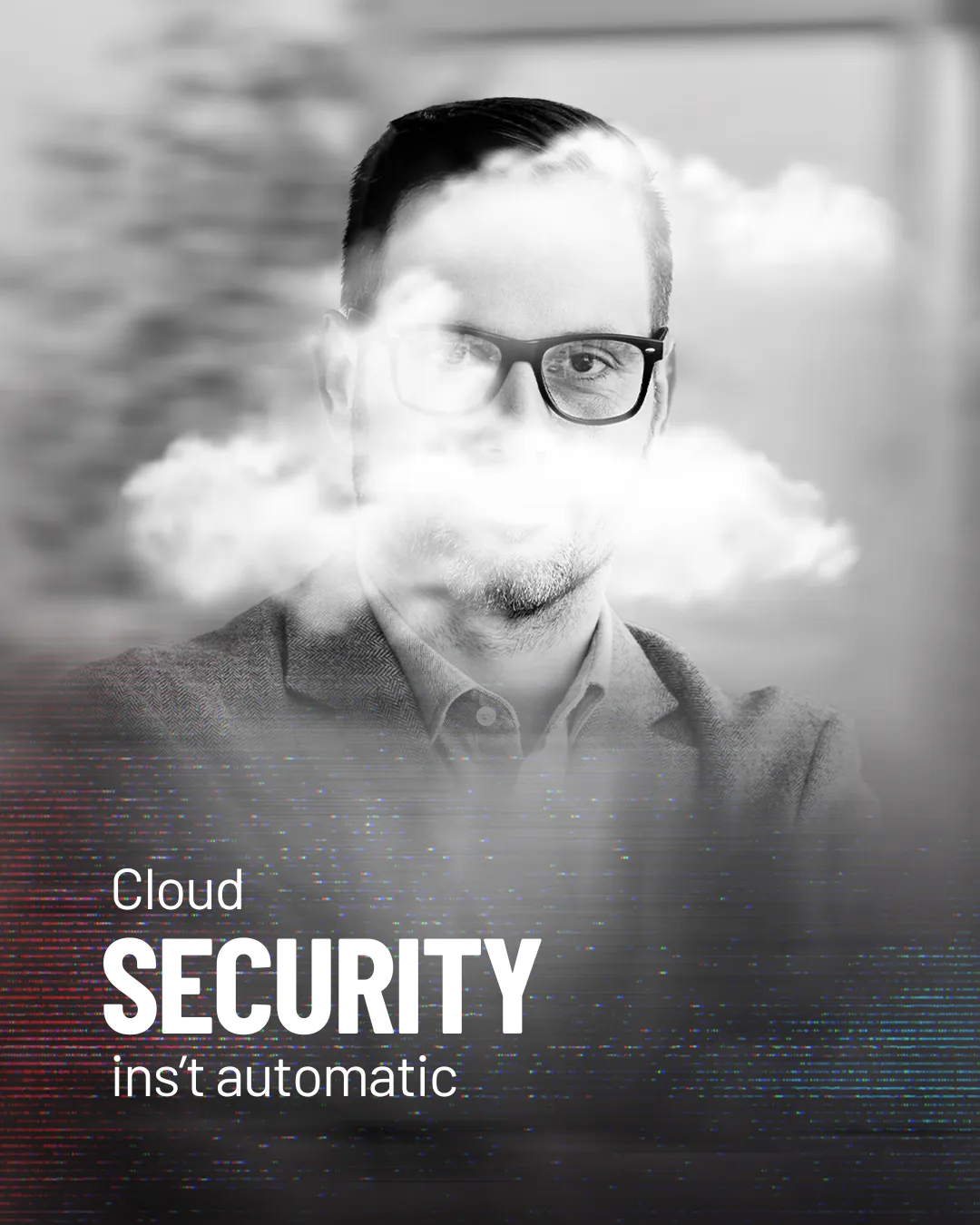
Moving to the Cloud Doesn’t Make Security Automatic
The cloud can make your business more flexible, accessible, and easier to manage. ☁️
But moving information to the cloud doesn’t mean the provider handles every part of your security.
Account permissions, security settings, multi-factor authentication, employee access, and other protections still need to be configured and managed correctly.
That matters because a cloud platform can be secure while your individual environment still has gaps. 🔐
You don’t need to understand every setting yourself. You need confidence that someone is paying attention, reviewing what matters, and making sure your cloud environment is configured appropriately for your business.
Not sure how well your cloud environment is protected? Schedule a discovery call.
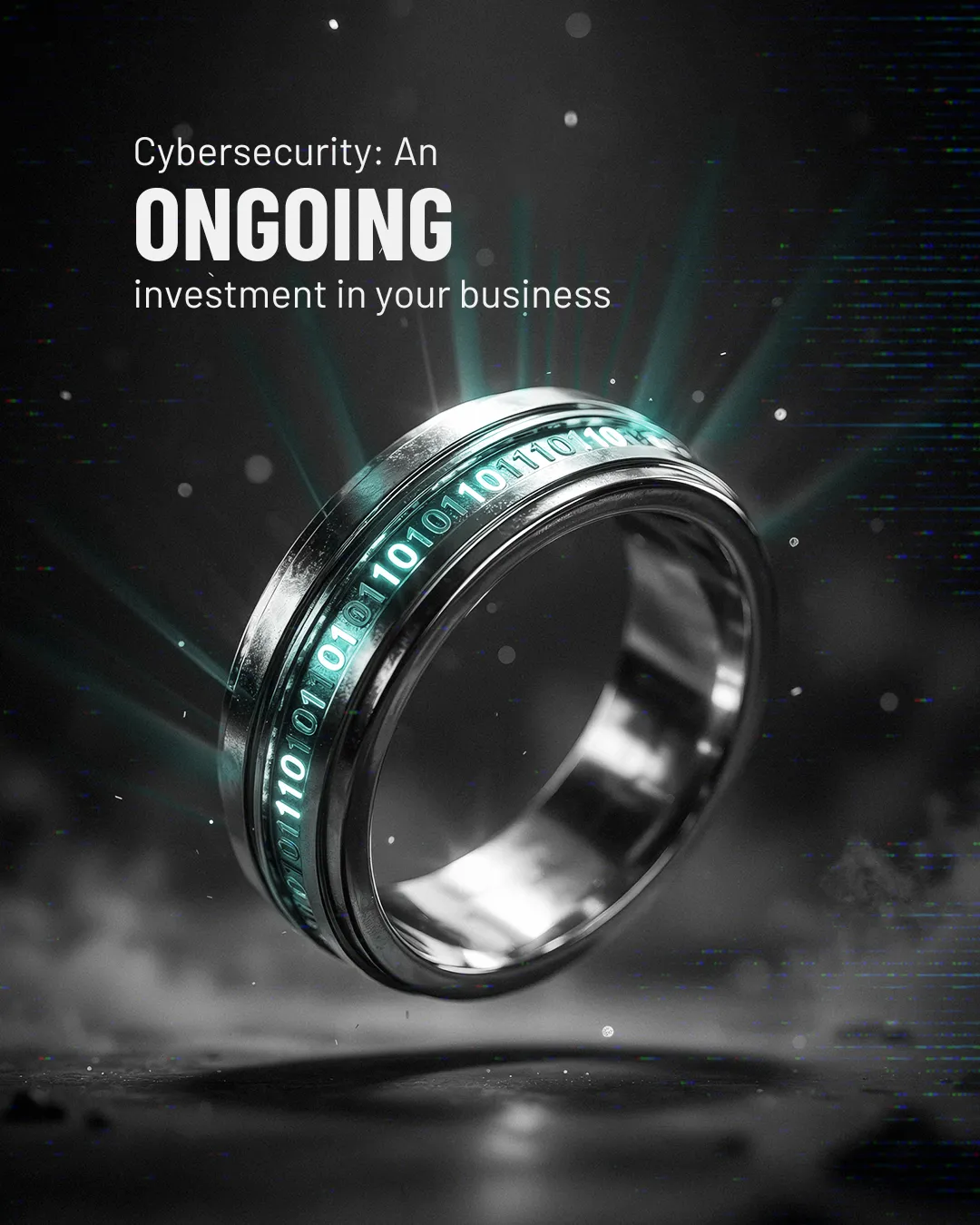
Cybersecurity Isn’t a One-Time Investment
Cybersecurity isn’t something you put in place once and assume will protect you indefinitely. 🔐
Your business changes. Employees come and go. New technology gets introduced. Cybercriminals change their tactics. And protections that made sense a few years ago may no longer address the risks you face today.
That’s why good cybersecurity requires ongoing attention.
Regular reviews, updates, employee education, and adjustments help make sure your protections continue to match your business as it evolves. 📈
The goal isn’t to constantly buy more security tools. It’s to know the protections you already have are appropriate, working together, and being actively managed.
When was the last time someone reviewed your cybersecurity as a whole? If you’re not sure, schedule a discovery call.

Your Business Data Is Valuable
Your data doesn’t have to belong to a Fortune 500 company to be valuable. 🎂
Client or patient information, financial records, employee data, passwords, email accounts, and business documents can all give cybercriminals something they can steal, sell, exploit, or use to launch another attack.
And when that information is compromised, the impact can extend beyond the initial incident.
There may be downtime, recovery costs, regulatory or contractual obligations, and difficult conversations with the people who trusted your business with their information. 🔐
Protecting data isn’t simply an IT issue. It’s part of protecting the business and the relationships you’ve worked hard to build.
Want to better understand how your sensitive information is being protected? Schedule a discovery call.

Cybersecurity Starts at the Top
Cybersecurity can’t be something leadership simply hands to IT and forgets about. 🛡️
Your IT or cybersecurity partner can put protections in place, monitor systems, and help manage risk. But employees still make decisions every day that affect security.
That’s where leadership matters.
When leaders take cybersecurity seriously, employees are more likely to understand that protecting information, questioning suspicious requests, and reporting mistakes quickly are part of everyone’s responsibility. 👥
You don’t need to personally manage cybersecurity. But you should have confidence that responsibilities are clear, your team knows what’s expected, and the right people are handling the technical work behind the scenes.
Want to build a stronger security culture without putting cybersecurity on your plate? Schedule a discovery call.
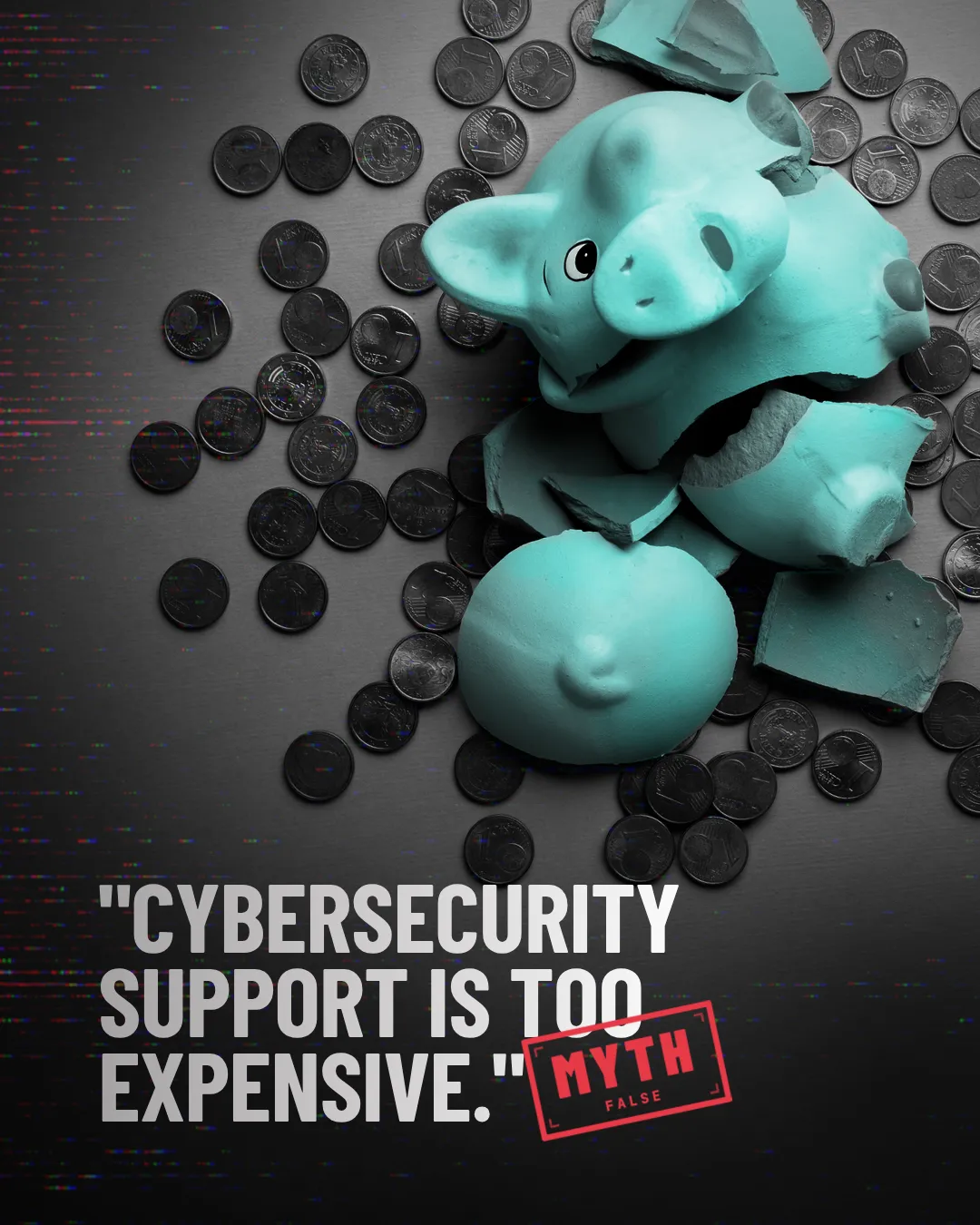
Good Cybersecurity Isn’t About Spending More
“Cybersecurity support is too expensive.”
For a small business, cybersecurity absolutely needs to make financial sense. 💰
But the better question isn’t simply, “How much does security cost?”
It’s whether you’re spending money on the right protections for the risks your business actually faces.
More tools and bigger budgets don’t automatically create better security. At the same time, cutting the wrong corners can leave gaps that lead to downtime, recovery expenses, lost productivity, or exposed information. 🔐
The goal is a practical approach that prioritizes what matters, avoids unnecessary spending, and gives leadership confidence that important risks are being addressed.
Not sure whether your cybersecurity spending matches your actual risk? Schedule a discovery call.

Cybersecurity Goes Beyond Your Screen
Not every cybersecurity threat arrives by email or tries to break through your firewall. 🚪
Sometimes, someone simply walks through the door.
Tailgating happens when an unauthorized person follows an employee into a restricted area. Holding the door may feel polite, but it can give the wrong person access to offices, devices, confidential information, or other areas they shouldn’t be able to reach.
That’s why physical security and cybersecurity need to work together. 🔐
Employees should understand who belongs in restricted areas, how visitors are handled, and what to do when something doesn’t seem right.
Good security isn’t about making your workplace unfriendly. It’s about making sure convenience and courtesy don’t accidentally create a security gap.
What’s one simple security habit you think every employee should know?
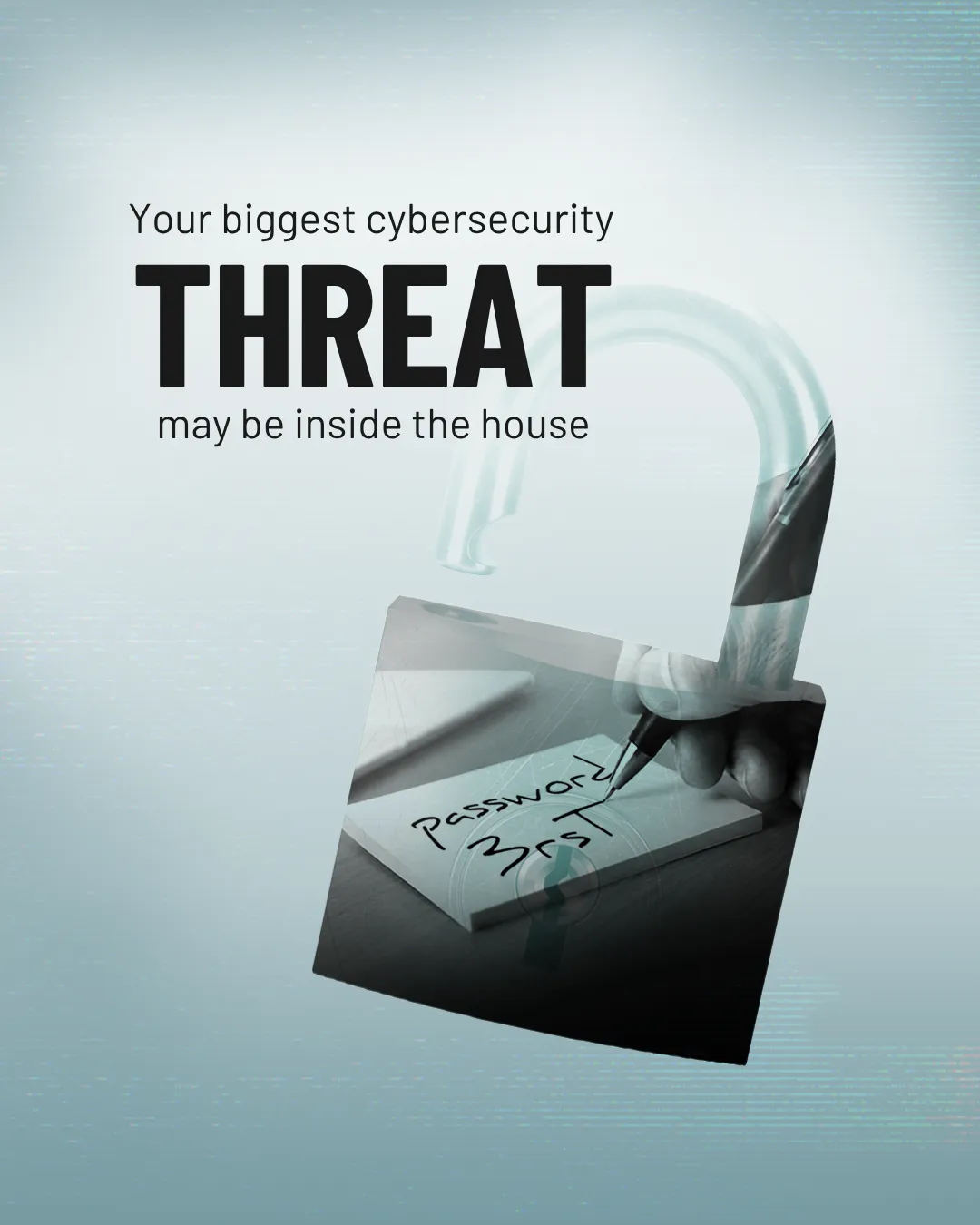
Your Biggest Cybersecurity Threat May Already Be Inside Your Business
Cybersecurity conversations often focus on keeping attackers out. But not every security risk starts outside your business. 👥
Insider threats can be intentional or completely accidental, and both can expose confidential information or disrupt operations.
Common examples include:
Data theft
Unauthorized access
Human error or negligence
Credential sharing
Former employees retaining access
Employees using unapproved AI tools with business data
The goal isn’t to distrust your employees. It’s to put reasonable safeguards in place so one mistake, overlooked account, or poor decision doesn’t become a much bigger business problem. 🔐
Learn what insider threats can look like and how to reduce the risk.
Want help identifying potential gaps in your own environment? Schedule a discovery call.
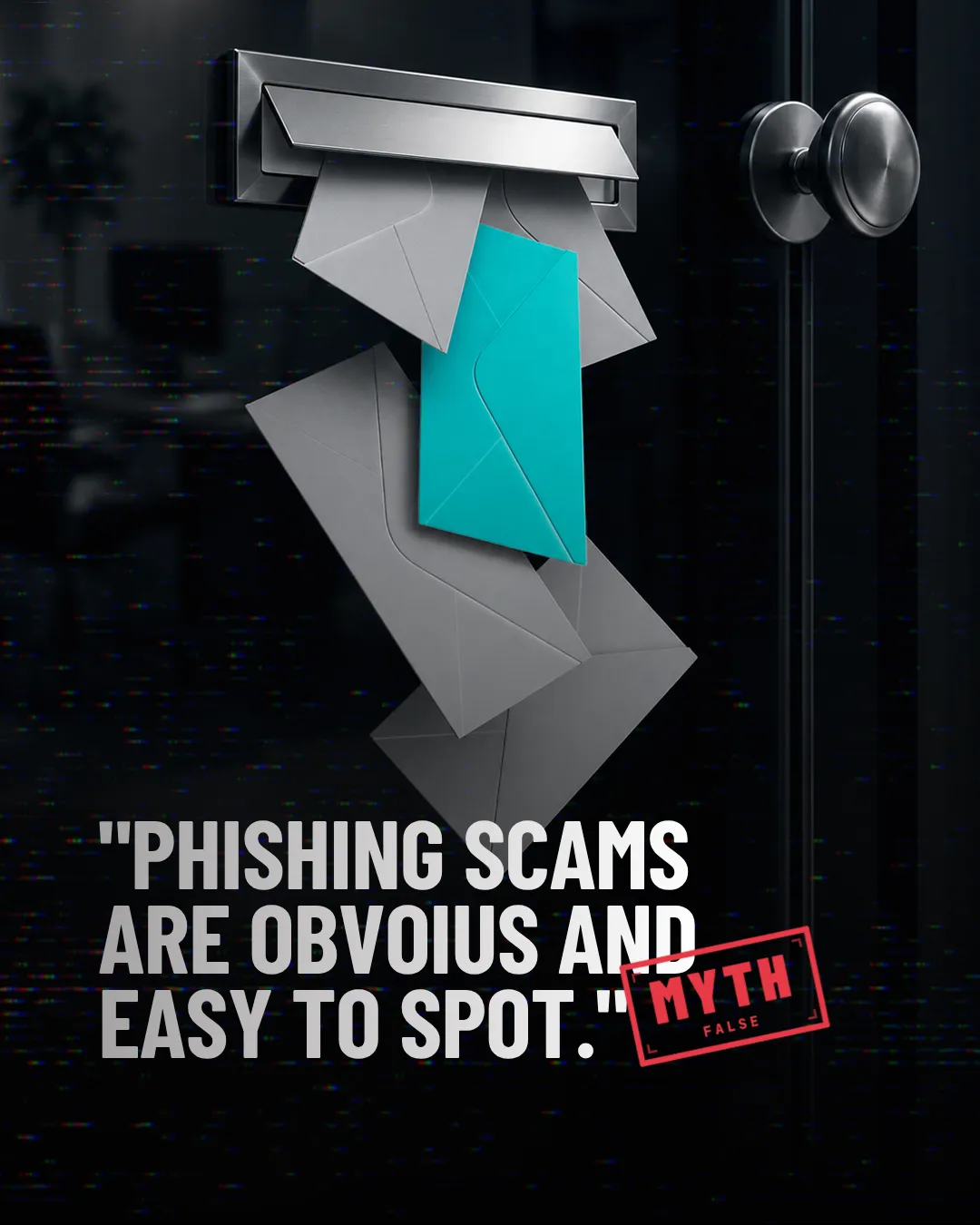
Phishing Scams Aren’t Always Easy to Spot
If your employees are still looking for bad grammar and obvious mistakes to identify phishing, they may be watching for yesterday’s attack. 🎣
AI is helping cybercriminals create messages that look and sound increasingly legitimate, including messages that appear to come from vendors, coworkers, financial institutions, or company leaders.
Today’s phishing attempts can include:
Convincing email impersonation
Urgent payment or information requests
Text-message phishing, or “smishing”
Voice cloning
Highly targeted messages using real business details
The question isn’t whether your employees can spot an obvious scam. It’s whether they know what to do when a suspicious request looks legitimate. 🛡️
Learn how phishing has changed and what your team should be watching for.
Need help strengthening your defenses against phishing? Schedule a discovery call.
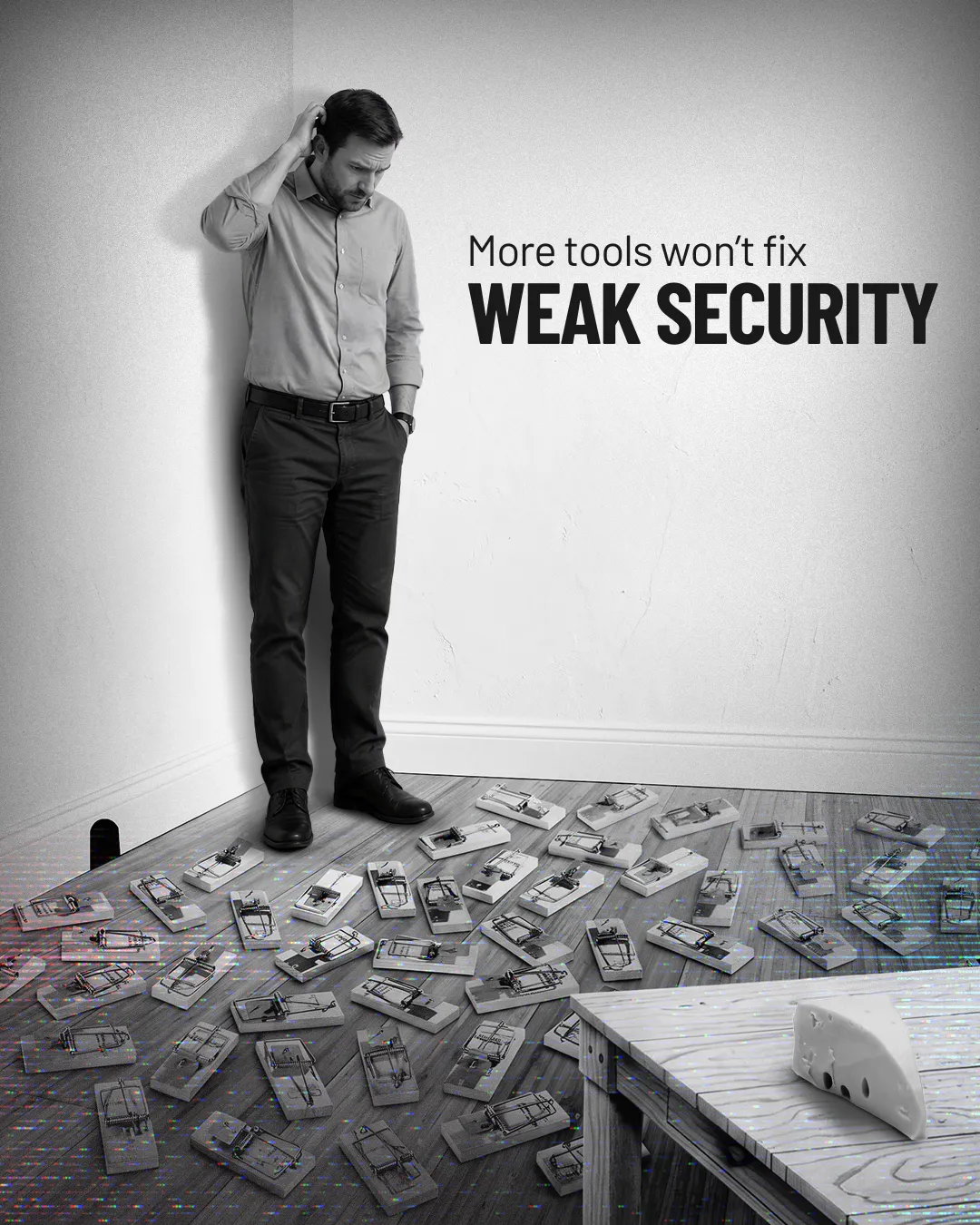
More Security Tools Don’t Automatically Mean Better Security
Buying another cybersecurity tool can feel like progress. But more technology doesn’t necessarily mean more protection. 🧰
When security tools are added without an overall strategy, they can actually make your environment harder to manage.
You can end up with:
Overlapping tools and unnecessary costs
Too many alerts for anyone to properly review
Security gaps between systems
Tools that aren’t configured correctly
No clear ownership of what happens when something goes wrong
Strong cybersecurity isn’t about having the longest list of products. It’s about having the right protections working together and knowing someone is responsible for making sure they continue to work. 🔐
Learn why cybersecurity tool sprawl can create risks of its own.
Wondering whether your current security tools are actually working together? Schedule a discovery call.
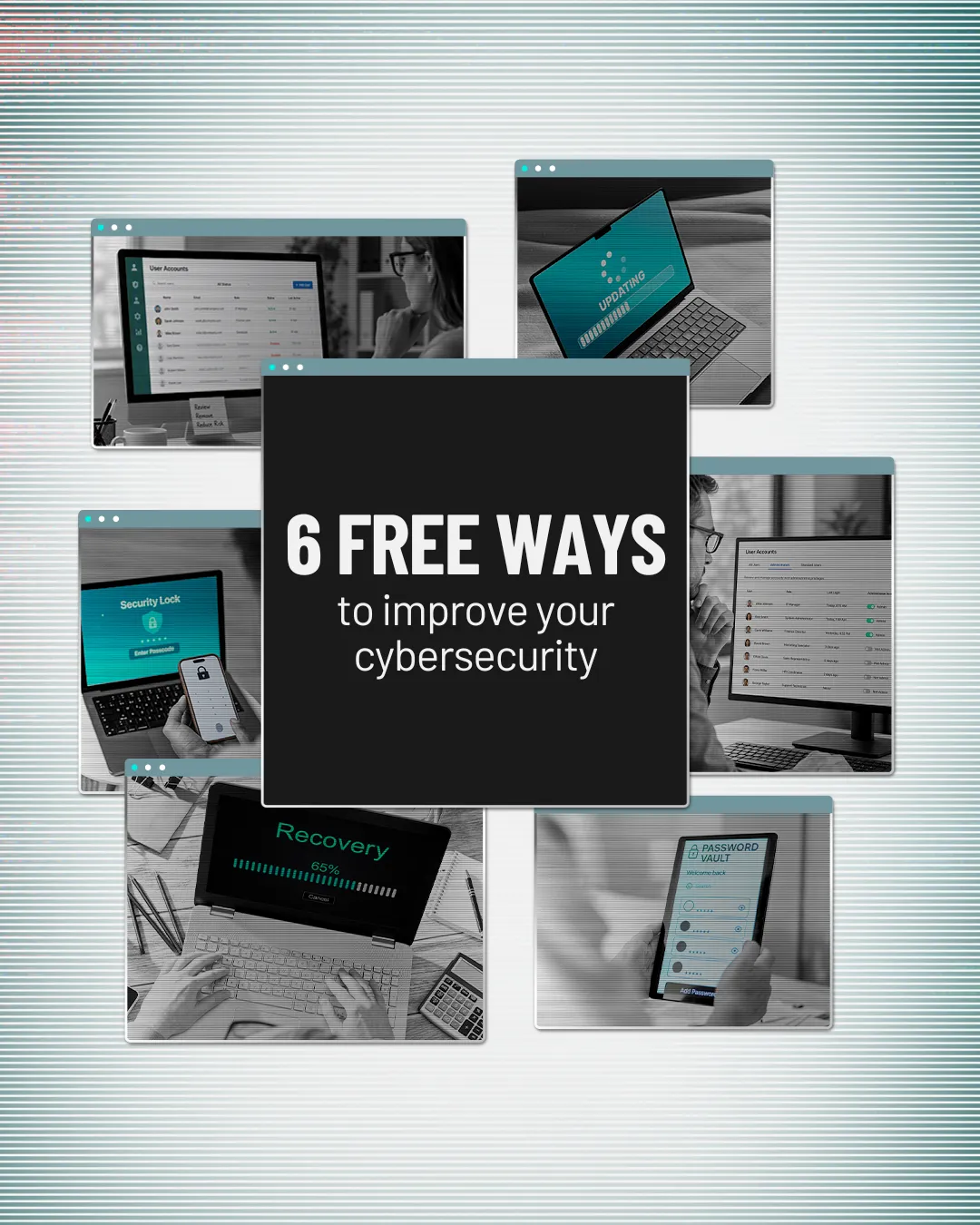
Better Cybersecurity Doesn’t Always Require a Bigger Budget
Some meaningful cybersecurity improvements cost little or nothing.
Sometimes the opportunity is simply making better use of what you already have. 💡
A few places to start:
Enable multi-factor authentication wherever possible
Remove accounts that are no longer needed
Limit administrator access
Keep devices and applications updated
Use a password manager
Test backups to make sure you can actually restore from them
None of these replaces a complete cybersecurity strategy. But getting the fundamentals right can close avoidable gaps and give you a stronger foundation to build on. 🔐
See six practical ways to improve your cybersecurity without increasing your technology budget.
Want help figuring out what your business should prioritize next? Schedule a discovery call.
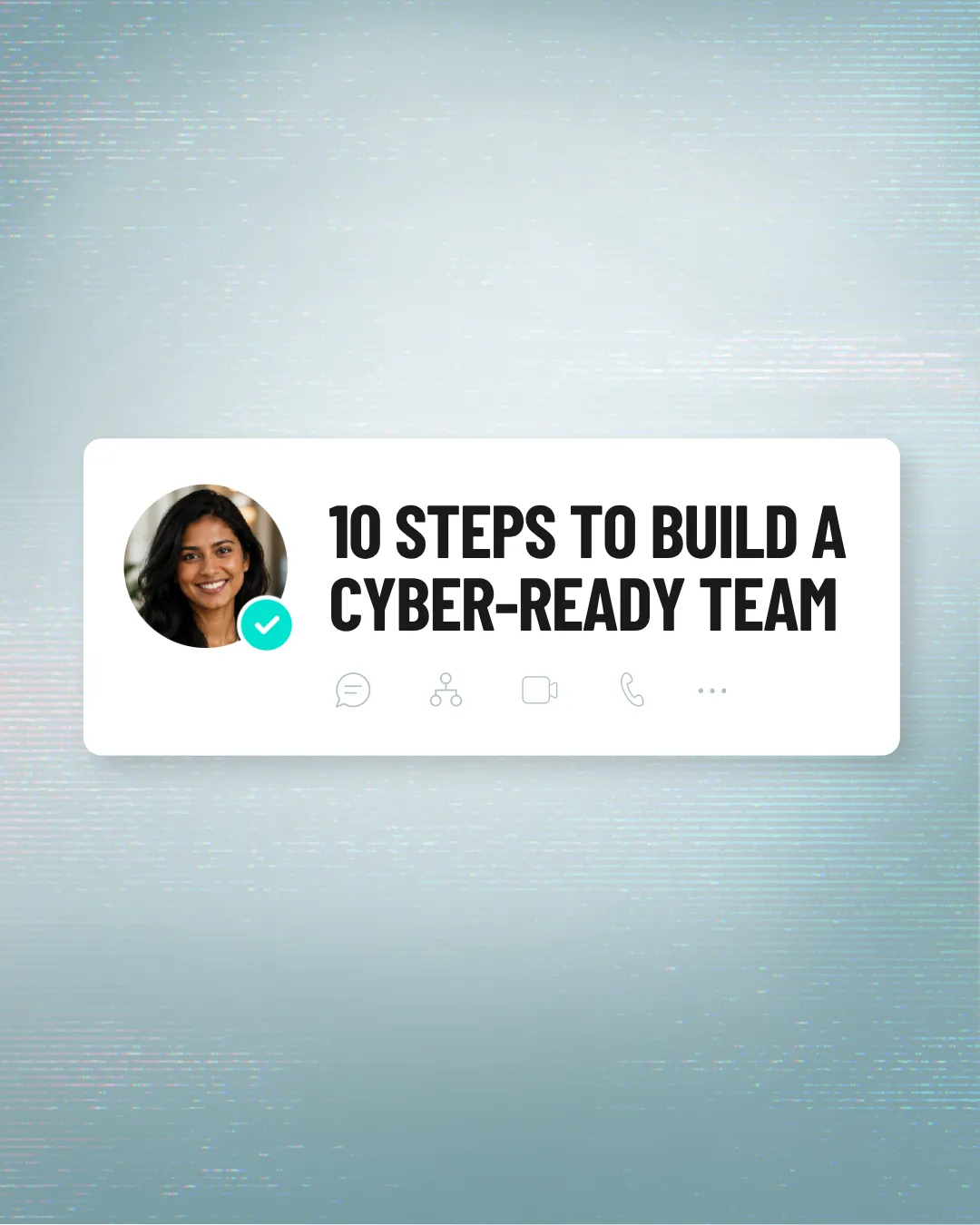
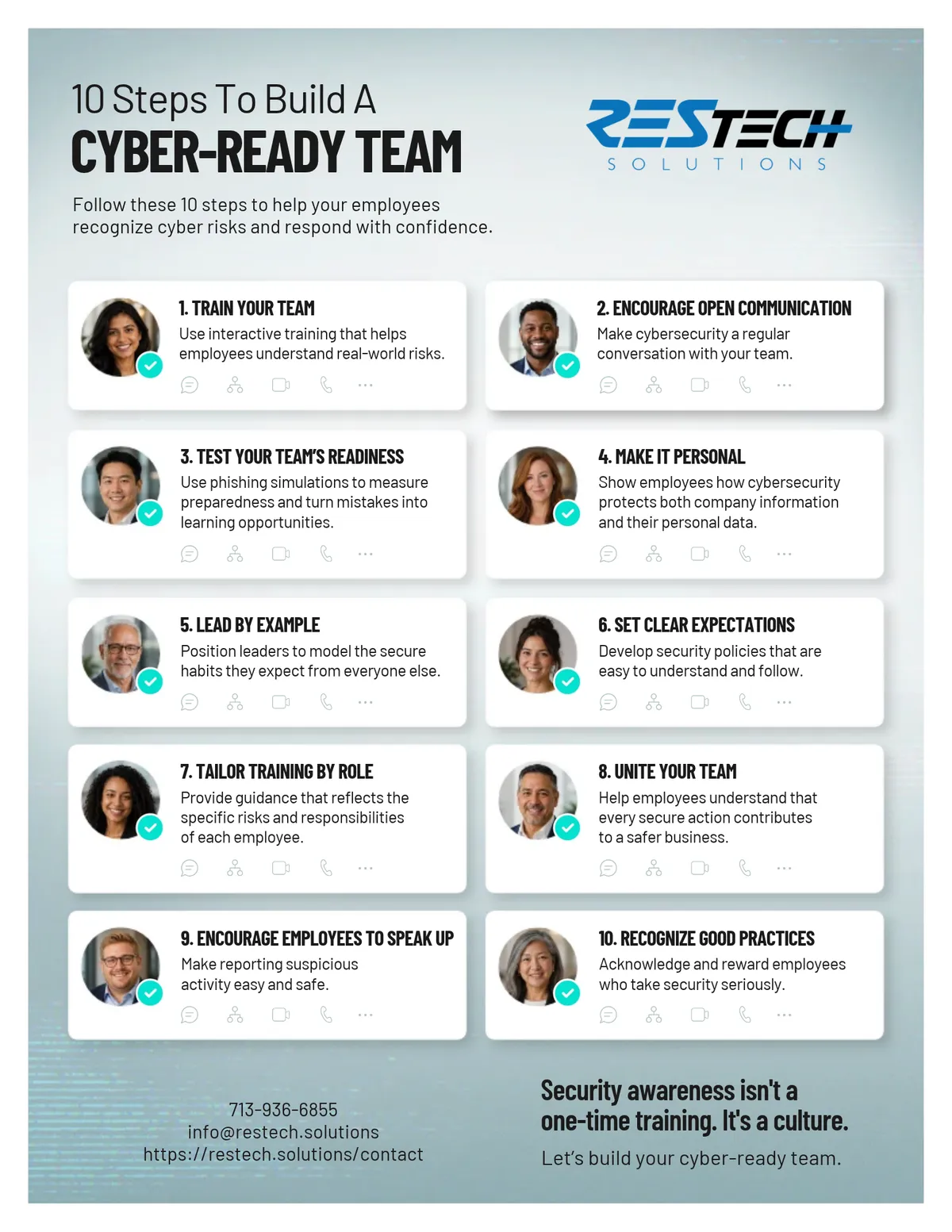
10 Steps to Build a Cyber-Ready Team
Your employees don’t need to become cybersecurity experts. They do need to know how to recognize something suspicious and what to do next. 👥
Building that kind of team takes more than an annual training video.
It means giving employees practical training, testing what they’ve learned, making security expectations clear, and creating an environment where people feel comfortable reporting a mistake or suspicious activity quickly. 🛡️
Leadership matters too. When employees see that cybersecurity is treated as part of protecting the business, its clients or patients, and each other, good security habits become part of how the organization operates.
We’ve put together a free 10 Steps to Build a Cyber-Ready Team Checklist to help you see what you already have in place and where there may be room to improve.
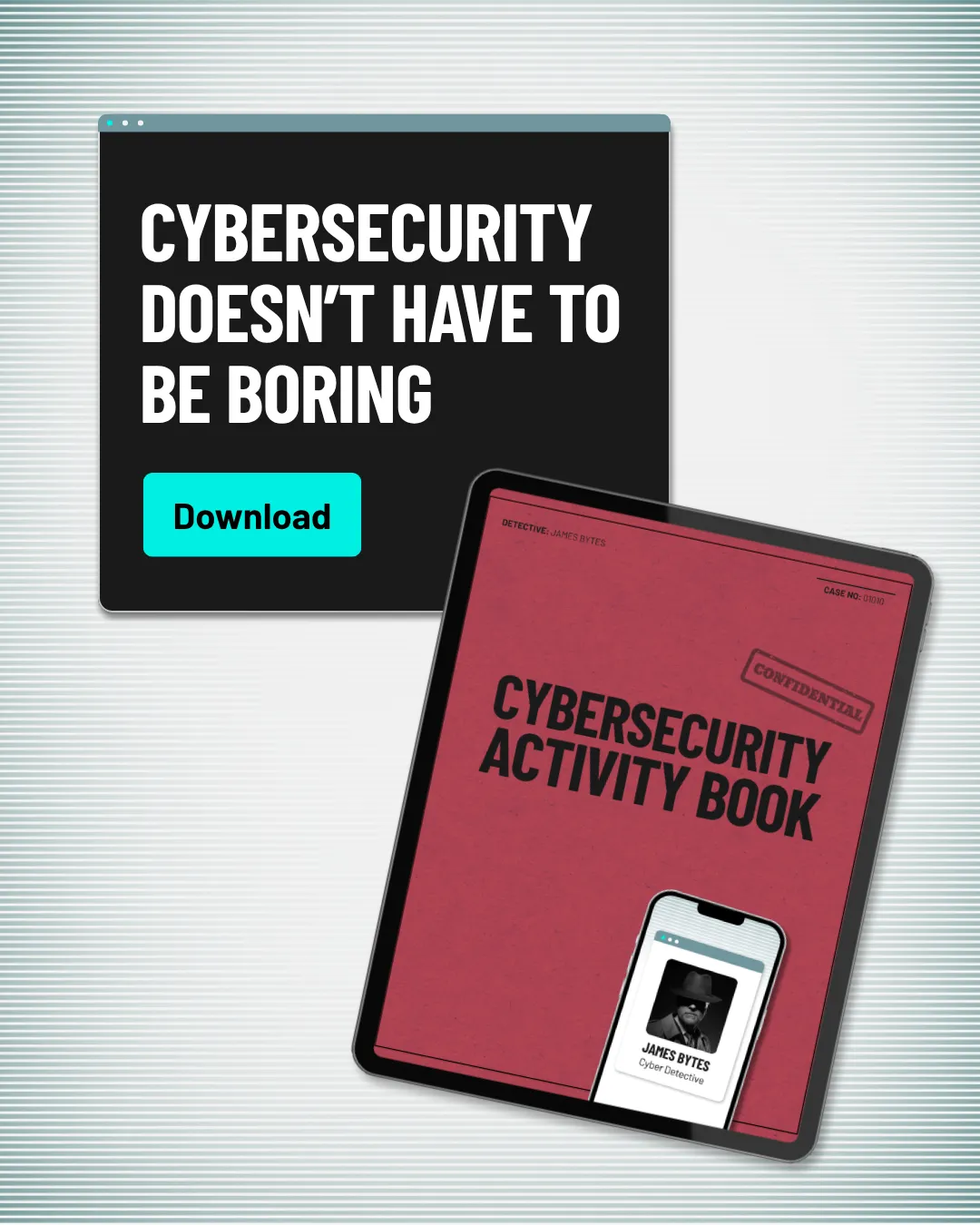
Make Cybersecurity Training More Engaging
Cybersecurity training matters, but employees are more likely to remember what they actually engage with. 🕵️
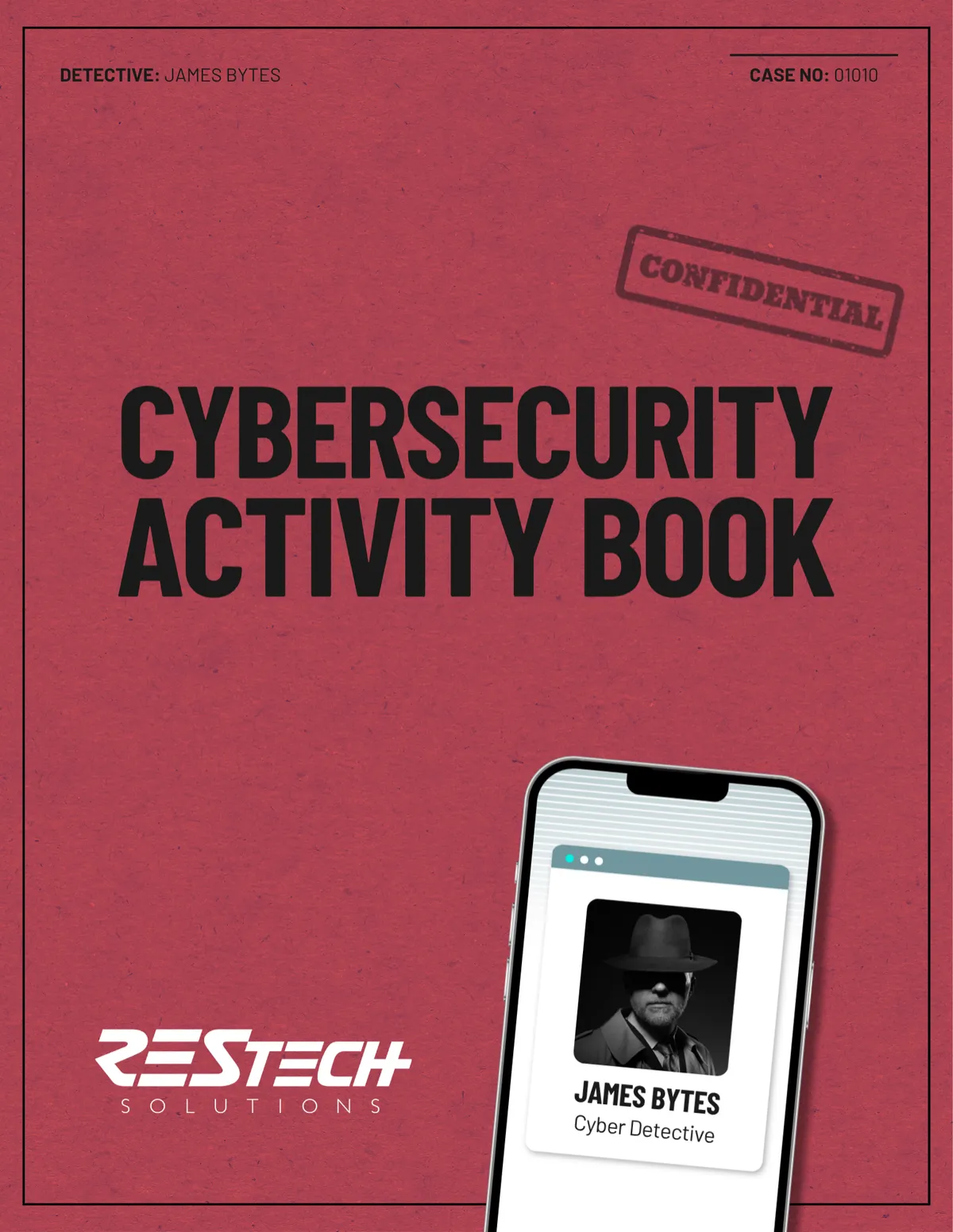
Our free James Byte’s Cyber Detective Activity Book offers a different way to reinforce cybersecurity concepts through word searches, word scrambles, and other activities covering topics such as phishing, insider threats, and cyberattacks.
It can be used as a supplement to employee training, an individual activity, or simply a more enjoyable way to keep cybersecurity awareness top of mind. 🔎
Because building better security habits doesn’t always have to feel like another compliance exercise.
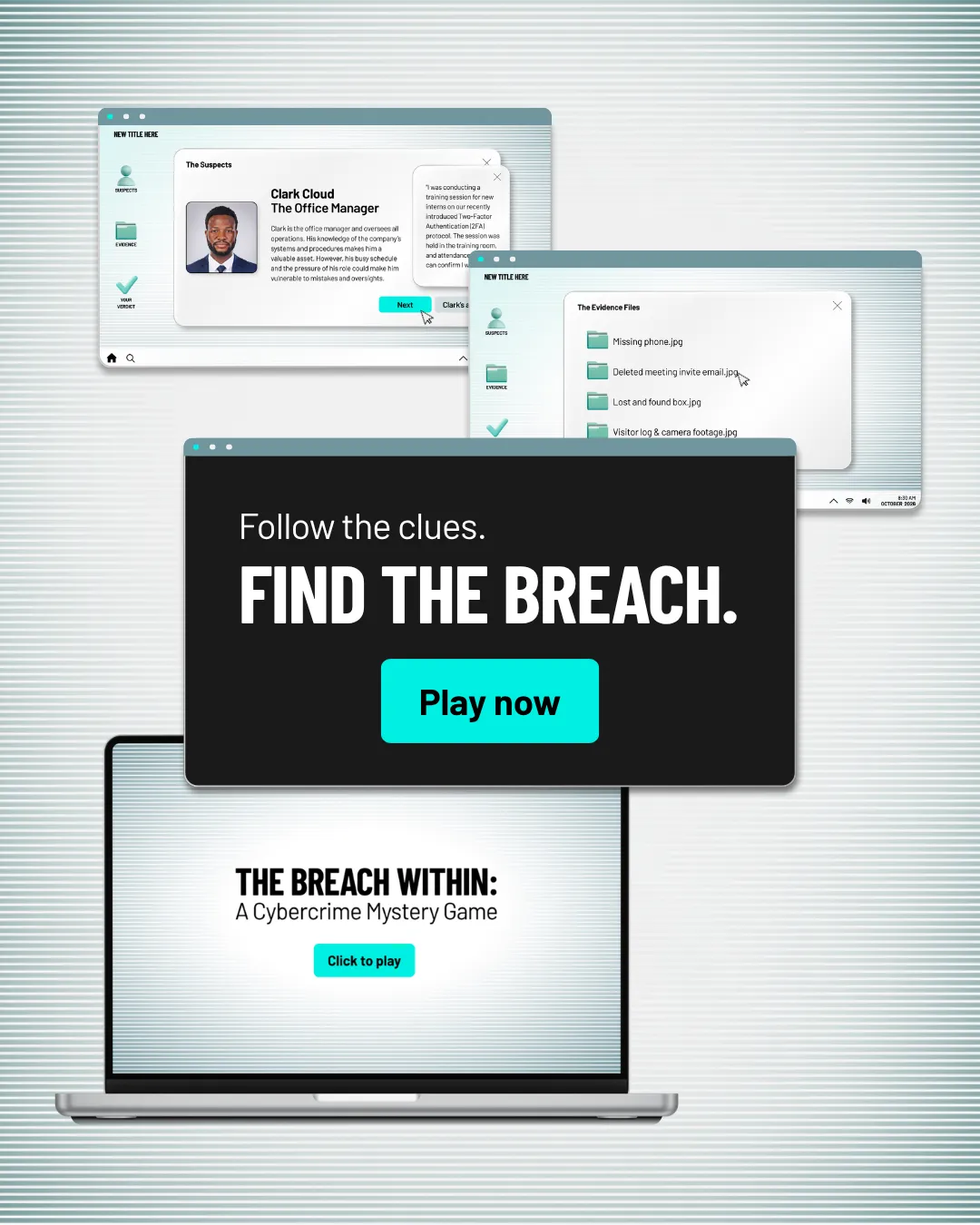
Can You Solve the Breach?
A company has suffered a major data breach.
The evidence is scattered. The suspects have their stories. And it’s your job to figure out what happened. 🔎
In The Breach Within: A Cybercrime Mystery Game, you’ll work through the clues, question suspects, and piece together how the breach occurred.
It’s a fun way to put your cybersecurity thinking to the test while seeing how everyday decisions and overlooked details can contribute to a real security incident. 🕵️
Think you can solve the case?
Cybersecurity Is a Team Responsibility
Your IT team can put strong protections in place, but technology can’t prevent every employee from making a bad click. 🖱️
That’s why cybersecurity also depends on what happens throughout the business.
Employees should know how to recognize something suspicious, when to slow down, how to verify unusual requests, and where to report something that doesn’t look right.
And when someone does make a mistake, they should feel comfortable reporting it quickly instead of hiding it. The sooner the right people know, the sooner they can respond. 🛡️
A strong security culture doesn’t make cybersecurity everyone’s full-time job. It gives everyone a clear role while the right people handle the technical work.
Want help building cybersecurity awareness into your business? Contact us.
Cybersecurity Doesn’t Have to Be Another Hat You Wear
Running a business already means carrying enough responsibility. Cybersecurity shouldn’t become another technical job on your list. 🎩
Keeping up with changing threats, reviewing security gaps, managing protections, and knowing what deserves attention takes time and specialized expertise.
As a business leader, you don’t need to personally understand every cybersecurity tool or threat.
You need enough visibility to make informed decisions and confidence that someone competent is paying attention to the details. 🔐
That’s what the right cybersecurity partner should provide: clarity about what matters and ownership of the work that shouldn’t be sitting on your plate.
Ready to take cybersecurity off your plate? Schedule a discovery call.
Cybercriminals Don’t Need the Biggest Target
Cybercriminals aren’t always looking for the biggest company.
Sometimes, they’re simply looking for an easier opportunity. 🎯
Small businesses can still have valuable client or patient information, financial data, email accounts, and access to other organizations. But they may have fewer resources dedicated to protecting those assets.
That combination can make them attractive targets.
Being small doesn’t mean you need enterprise-sized cybersecurity. It means your protections should make sense for your business, your information, and the risks you actually face. 🔐
Want to understand where your biggest security gaps may be? Schedule a discovery call.
Phishing Only Needs One Rushed Decision
Cybercriminals don’t always need to steal your password directly.
Sometimes, they just need you to click, approve, pay, or share information before you stop to question the request. 🎣
That’s why urgency is such an effective phishing tactic.
“Pay this immediately.”
“Your account will be disabled.”
“I need these documents right away.”
The details change, but the goal is often the same: get someone to react before they verify.
Technology can block many threats, but employees also need the confidence to pause when something doesn’t feel right. 🛑
Want help making phishing awareness part of your team’s everyday habits? Contact us.
What Cybersecurity Blind Spots Aren’t You Seeing?
The cybersecurity risks that create the biggest surprises aren’t always obvious. 👀
They can hide behind a familiar email, an account with too much access, a security tool nobody is monitoring, an employee mistake, or a setting everyone assumed was configured correctly.
That’s why cybersecurity isn’t about eliminating every possible risk or becoming an expert yourself.
It’s about knowing where your business stands, understanding what deserves attention, and having the right people responsible for addressing it. 🔐
Cybersecurity Awareness Month is a good opportunity to challenge the assumptions your business may be relying on.
Because the question that matters isn’t simply, “Do we have cybersecurity?”
It’s “Do we know it’s being handled the way it should be?”
Schedule a discovery call and get a clearer picture of where your business may be exposed.

Navigation
About us
Get In Touch
© Copyright 2026. ResTech Solutions. All rights reserved.