The Cybersecurity Risks Already Inside Your Business
Cybersecurity conversations often focus on threats coming from outside the organization. Hackers, phishing campaigns, ransomware groups and other external attackers certainly deserve attention.
But protecting the business also means paying attention to what happens inside it.
Employees, contractors, vendors and other trusted users often have legitimate access to systems and confidential information. That access is necessary for them to do their jobs, but it can also create risk when information is mishandled, permissions are broader than necessary, credentials are shared or someone deliberately misuses their access.
For business leaders, the goal is not to monitor every employee or become a cybersecurity expert. It is to know that appropriate safeguards are in place, someone is paying attention and unusual activity can be identified before it becomes a bigger problem.
Six Ways Insider Risk Can Show Up
Not every insider incident involves a malicious employee. In fact, some problems begin with ordinary decisions or mistakes. Understanding the different ways insider risk can appear makes it easier to put reasonable protections in place.
1. Sensitive Information Leaves the Business
An employee or other authorized user may intentionally copy, download or share confidential information for personal benefit or another unauthorized purpose. That could involve customer or patient information, financial records, intellectual property, employee information or other sensitive business data.
Data can leave electronically, but physical devices containing confidential information can create exposure as well.
2. Someone Intentionally Disrupts Operations
A disgruntled employee, contractor or other authorized user could deliberately delete files, interfere with systems, disable technology or otherwise disrupt business operations.
These situations reinforce why access should be tied to job responsibilities and removed promptly when someone leaves the organization or no longer needs it.
3. Employees Have More Access Than They Need
Someone does not necessarily have to "hack" a system to access information they should not see. Sometimes the problem is simply that permissions were never properly restricted.
Employees should generally have access to the systems and information required for their jobs, rather than broad access simply because it is convenient. Regular permission reviews can help prevent unnecessary exposure.
4. Everyday Mistakes Create Security Problems
Insider risk is not always intentional.
An employee might send confidential information to the wrong person, mishandle sensitive data, ignore a security procedure or make another avoidable mistake. Even well-intentioned employees can create significant exposure when appropriate safeguards and training are missing.
That is why cybersecurity should account for human error rather than assuming everyone will follow every procedure perfectly.
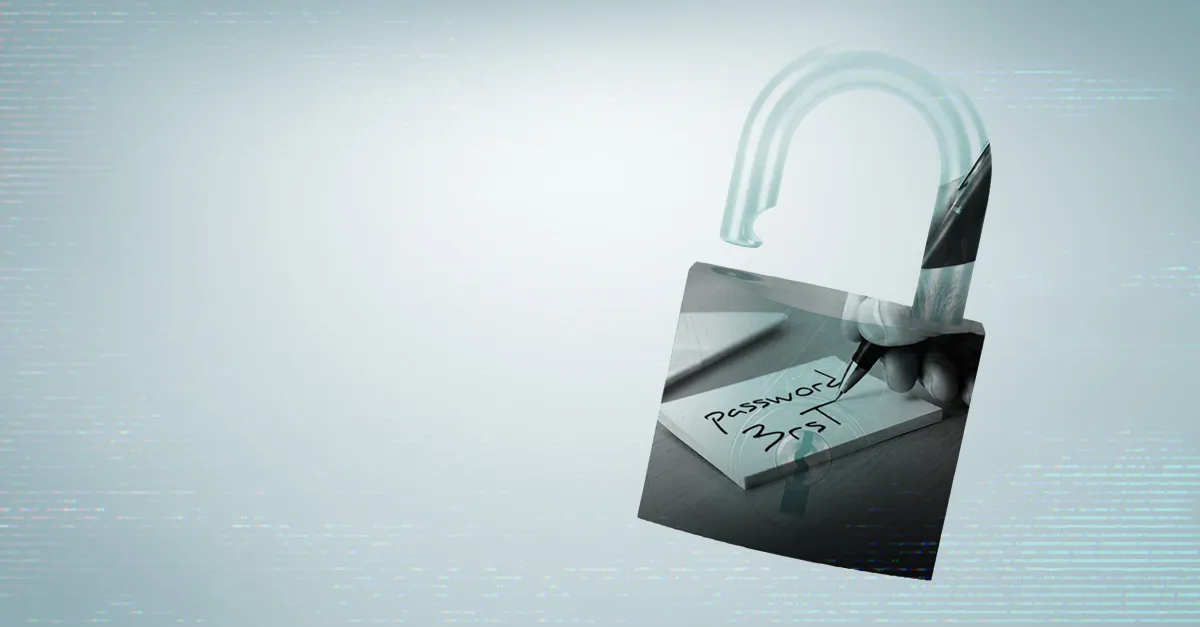
5. Passwords and Accounts Get Shared
Shared credentials make it harder to control who can access business systems and determine who performed a particular action.
Every employee should have their own account whenever possible, with appropriate access based on their responsibilities. Multi-factor authentication (MFA) adds another layer of protection if a password is stolen or compromised.
6. Employees Use AI Without Clear Guidelines
AI has introduced another form of insider risk.
An employee trying to work more efficiently may paste confidential business, client or patient information into an AI platform without understanding how that information may be stored, processed or used.
The employee may have good intentions. The problem is that the business may have no visibility into which AI tools are being used or what information is being shared with them.
Businesses increasingly need clear guidelines covering approved AI tools, acceptable uses and the types of information employees should never enter into unapproved platforms.
What Should Your Business Be Watching For?
Good cybersecurity monitoring is not about assuming employees are doing something wrong. It is about identifying activity that falls outside normal business patterns and deserves a closer look.
Potential warning signs can include:
Unusual access activity: Someone begins opening sensitive files or systems unrelated to their normal responsibilities.
Large or unexpected data transfers: Significant amounts of information are downloaded, copied or moved somewhere unusual.
Repeated requests for additional access: An employee consistently asks for permissions beyond what their role appears to require.
Unapproved devices: Business information is accessed or stored on personal computers, drives or other devices that are not managed by the organization.
Security protections being disabled: Antivirus, endpoint protection or other safeguards are intentionally turned off.
Unapproved AI usage: Sensitive information is being entered into AI applications that the business has not evaluated or approved.
One unusual event does not automatically mean someone is acting maliciously. Context matters. The important question is whether someone is responsible for noticing unusual activity, investigating it and determining whether action is necessary.
Five Ways to Reduce Insider Risk
Leadership should not have to personally supervise every security control. But you should be able to ask how your organization manages insider risk and receive a clear answer.
Here are five areas worth addressing:
Strengthen Account Security: Require strong authentication practices and use MFA wherever practical. Avoid shared accounts and credentials whenever possible.
Limit Access Based on Job Responsibilities: Employees should have the access they need to work effectively without automatically receiving access to everything. Permissions should also be reviewed as roles change and removed promptly when someone leaves.
Train Employees Regularly: Security awareness should cover more than phishing. Employees should understand how to handle confidential information, protect credentials, recognize suspicious activity and use AI tools appropriately.
Maintain Reliable Backups: If information is accidentally deleted, corrupted or intentionally destroyed, tested backups can provide an important path to recovery.
Prepare for an Incident Before One Happens: Your incident response plan should define what happens when suspicious activity is detected, who is responsible for responding and how the business will contain and recover from an incident. Policies should also establish expectations for handling sensitive information and using AI.
Insider Risk Is Ultimately an Ownership Question
You do not need to personally review access logs, investigate every unusual login or determine whether a particular security alert matters.
But someone should.
A well-managed cybersecurity program gives leadership appropriate visibility without putting another technical responsibility on your plate. You should know who is monitoring the environment, how access is controlled, what happens when suspicious activity is detected and whether the business is prepared to respond.
That is where the right IT partner can help. ResTech Solutions helps businesses put practical security controls, monitoring, employee protections and response procedures in place so important risks are being managed without requiring leadership to become the IT department.
If you are unsure how well your business is protected from threats originating inside the organization, schedule a conversation with ResTech Solutions. We can help you understand where you stand, identify areas that deserve attention and put a practical plan in place to reduce unnecessary risk.
